Rats are a common pest in urban environments, and Sydney is no exception. As cities expand and human populations grow, the likelihood of encountering these rodents increases. Understanding how to manage and prevent rat infestations is crucial for homeowners and businesses alike. In this article, we delve into the expertise of a rat exterminator based in Sydney, providing insights into effective pest control strategies, prevention tips, and common misconceptions about these creatures.
Understanding the Rat Problem in Sydney
Rats can pose a significant threat to both health and property if left unchecked. Understanding the signs of an infestation, effective rat exterminator sydney methods, and prevention strategies are essential for managing these pests. Rats are highly adaptable creatures, capable of thriving in a variety of environments. In Sydney, the most prevalent species are the black rat and the brown rat. Each species has unique behaviours and habits that can influence how they interact with human habitats.
Common Species of Rats
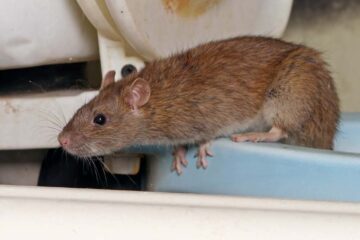
The black rat, known for its agility and climbing skills, often nests in trees and attics. This species is typically smaller and has a more slender body compared to the brown rat, which is larger and more robust. Brown rats are burrowers and prefer to reside in underground tunnels, making them more common in urban settings where they can easily access food sources. Interestingly, black rats are also known to be more social than their brown counterparts, often living in larger groups, which can exacerbate the challenges faced by urban residents trying to manage their populations. Their preference for higher nesting sites means they can often go unnoticed until their numbers grow significantly.
Why Are Rats a Problem?
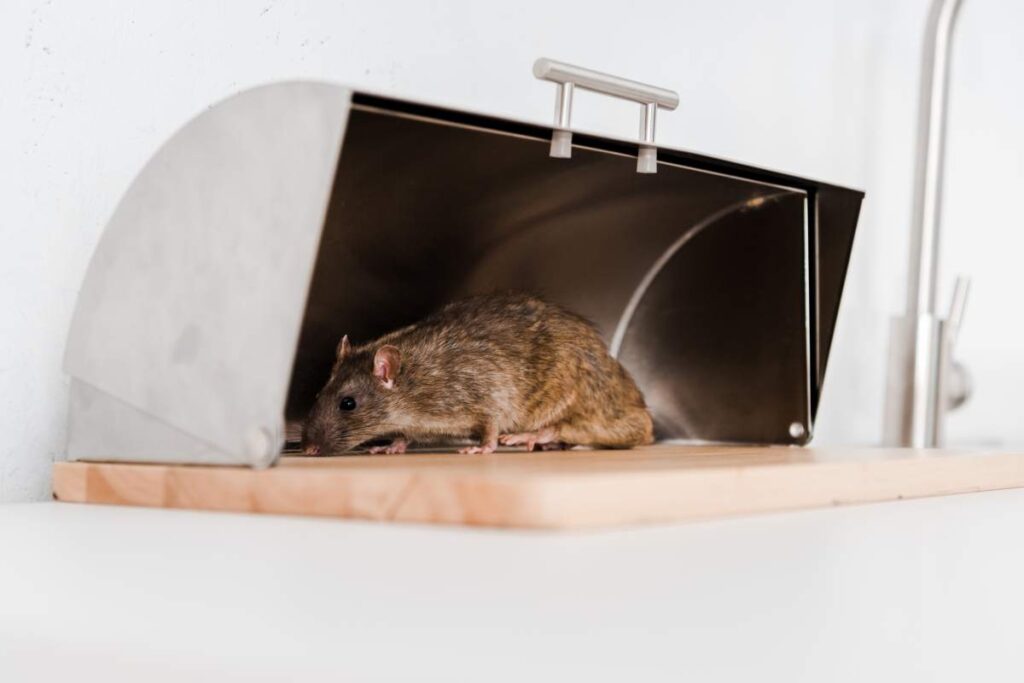
Rats pose several risks to human health and property. They are known carriers of diseases such as leptospirosis, hantavirus, and salmonella. Furthermore, their incessant gnawing can lead to structural damage in buildings, affecting electrical wiring and insulation. Understanding the risks associated with rat infestations is essential for effective prevention and control. Beyond the immediate health concerns, the presence of rats can also lead to psychological stress for residents, as the mere thought of these pests can create a sense of unease in one’s own home. Additionally, the economic impact of rat infestations can be significant; businesses may suffer from damaged goods and loss of reputation, while homeowners may face costly repairs and pest control measures. The ongoing battle against these resilient rodents requires a multifaceted approach, combining sanitation, habitat modification, and, when necessary, professional pest control services to effectively mitigate the risks they pose.
Signs of a Rat Infestation
Detecting a rat problem early can significantly reduce the potential damage and health risks associated with these pests. Recognising the signs of an infestation is the first step in effective management.
Visual Indicators
One of the most obvious signs of a rat infestation is the presence of droppings. Rat droppings are typically dark and cylindrical, measuring about 1-2 cm in length. Additionally, gnaw marks on food packaging, furniture, or structural elements can indicate their presence. Look for greasy smudges along walls, which are caused by the oils in their fur. These smudges often appear in areas where rats frequently travel, creating a telltale path that can lead you to their nesting sites. Furthermore, if you notice shredded paper or fabric, it may be a sign that rats are using these materials to line their nests, which they often build in hidden, undisturbed locations such as attics or basements.
Nocturnal Activity
Rats are primarily nocturnal, so signs of activity during the night, such as scratching or scurrying sounds, can be a clear indicator of their presence. If these noises are heard regularly, it may be time to investigate further. In addition to audible signs, you may also notice disturbances in your home, such as overturned bins or scattered food remnants, which can suggest that rats are foraging for food. Observing these behaviours can provide valuable insight into the extent of the infestation, as rats are known to be quite resourceful and will often venture further afield in search of sustenance. It is also worth noting that if you have pets, they may exhibit unusual behaviour, such as barking or growling at walls or corners, which could indicate the presence of these unwelcome intruders. Read more about the signs of a rat infestation at https://pmc.ncbi.nlm.nih.gov/articles/PMC7959339/
Effective Extermination Methods
Once an infestation is confirmed, it is crucial to implement effective extermination methods. There are various approaches that can be taken, depending on the severity of the problem and the environment.
Traps vs. Poison
Traps are often the preferred method for rat control, as they provide a quick and humane solution. Snap traps can be placed in areas where rat activity is evident, and they are designed to kill rodents instantly. Alternatively, live traps allow for the capture of rats without harming them, but they require the user to relocate the animals safely.
Poison, while effective, should be used with caution. Rodenticides can be harmful to pets and non-target wildlife, so it is vital to follow the manufacturer’s instructions and consider professional assistance when using these products.
Professional Extermination Services
Hiring a professional rat exterminator can often be the most effective solution, particularly for severe infestations. Exterminators have access to advanced tools and techniques that are not available to the general public. They can assess the situation, identify entry points, and implement a comprehensive control plan tailored to the specific needs of the property.
Preventing Rat Infestations
Prevention is always better than cure when it comes to pest control. Implementing proactive measures can significantly reduce the likelihood of a rat infestation.
Sealing Entry Points
Rats can squeeze through surprisingly small gaps, so it is essential to inspect the exterior of a property for potential entry points. Cracks in walls, gaps around pipes, and holes in roofs should be sealed with appropriate materials. Metal mesh and concrete are effective for blocking these access points.
Maintaining Cleanliness
Keeping a tidy environment is crucial in deterring rats. Regularly cleaning up food spills, storing food in airtight containers, and disposing of rubbish promptly can eliminate food sources that attract these pests. Additionally, keeping gardens well-maintained and free of debris can reduce potential nesting sites. Click here to learn more methods to prevent rat infestations.
Common Misconceptions About Rats
There are numerous myths surrounding rats that can lead to misunderstandings about their behaviour and management. Addressing these misconceptions is vital for effective pest control.
Rats Are Not Dirty Animals
One prevalent myth is that rats are inherently dirty creatures. In reality, rats are quite clean and will designate specific areas for waste. They spend a significant amount of time grooming themselves, and their presence in urban environments is often a result of human activity rather than their own hygiene.
All Rats Carry Disease
While it is true that rats can carry diseases, not all rats are infected. The risk of disease transmission increases in overcrowded environments, where stress and poor living conditions can lead to health issues. Thus, maintaining a clean and well-managed environment is key to minimising risks.

When to Call a Professional
Determining when to seek professional help can be challenging. However, there are certain signs and situations that warrant immediate action.
Severe Infestations
If there is a noticeable increase in rat activity, such as frequent sightings or large amounts of droppings, it is time to call in a professional. Severe infestations can be difficult to manage without expert assistance, and delaying action can lead to more significant problems.
Health Concerns
For those with health concerns, such as allergies or compromised immune systems, it is advisable to seek professional help as soon as a rat problem is suspected. Exterminators can handle the situation safely and efficiently, reducing the risk of exposure to diseases.
Conclusion
By addressing common misconceptions and knowing when to call a professional, homeowners and businesses in Sydney can protect themselves from the risks associated with rat infestations.
Ultimately, maintaining a clean and well-sealed environment is the best defence against these resilient rodents. With the right knowledge and tools, it is possible to keep homes and businesses rat-free.
Related : Rat Removal Sydney: How to Identify the Telltale Signs