Rats are more than just a nuisance; they can pose serious health risks and cause significant damage to property. In Sydney, where urban living often brings wildlife into close contact with humans, understanding how to identify the signs of a rat infestation is crucial. This article will guide you through the various indicators that suggest the presence of rats in your home or business, helping you take swift action to address the issue.
Understanding Rat Behaviour
Before delving into the signs of a rat infestation, it is essential to understand the behaviour of these rodents. Rats are nocturnal creatures, meaning they are most active during the night. This behaviour can make it challenging to spot them directly, but there are other signs that can reveal their presence. Their keen sense of smell and excellent hearing allow them to navigate their environment with ease, often leading them to food sources that are not immediately apparent to humans. They are also highly social animals, living in groups and establishing complex hierarchies, which can further complicate rodent treatment sydney efforts if an infestation occurs.
Common Species in Sydney
In Sydney, the two most common species of rats are the black rat (Rattus rattus) and the brown rat (Rattus norvegicus). The black rat is smaller and more agile, often found in trees and roofs, while the brown rat is larger and prefers burrowing in the ground or within walls. Recognising the species can help determine the best removal strategy. The black rat is particularly adept at climbing and can often be seen scurrying along power lines or fences, while the brown rat tends to stay closer to the ground, making nests in basements or under buildings. Understanding their habitats and behaviours is crucial for effective prevention and control measures.
Why Prompt Action is Necessary
Rats can reproduce rapidly, with a single pair capable of producing up to 2,000 offspring in a year under ideal conditions. This exponential growth means that what may start as a minor issue can quickly escalate into a full-blown infestation if not addressed promptly. Additionally, rats are known carriers of various diseases, including leptospirosis and hantavirus, making it imperative to identify and eliminate them as soon as possible. Beyond health risks, rats can cause significant damage to property; they are notorious for gnawing through electrical wires, which can lead to fire hazards, as well as damaging insulation and structural elements of buildings. The financial implications of a rat infestation can be considerable, necessitating swift and effective action to mitigate potential losses.
Identifying Signs of a Rat Infestation
Recognising the signs of a rat infestation can save time, money, and potential health risks. Here are some common indicators to look out for:
Droppings
One of the most obvious signs of a rat infestation is the presence of droppings. Rat droppings are typically dark, about 1-2 cm in length, and often found in areas where they travel, such as along walls, near food sources, or in hidden corners. Fresh droppings indicate recent activity, while older droppings may be dry and crumbly.
Gnaw Marks
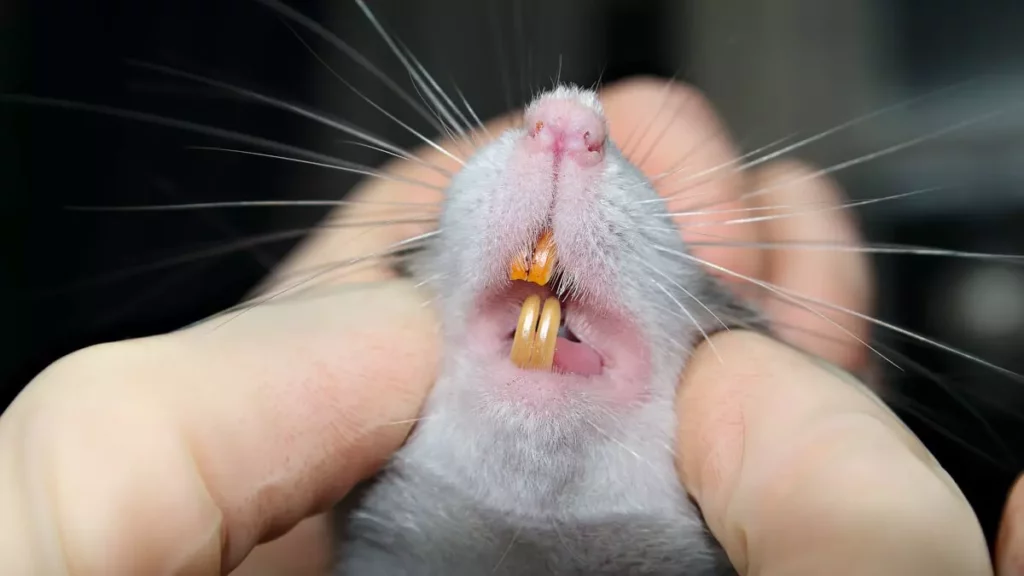
Rats have continuously growing teeth, which means they must gnaw on various materials to keep them trimmed. Look for gnaw marks on wood, plastic, or even electrical wires. These marks can often be found in hidden areas, such as behind appliances or in storage spaces. If you notice any gnawing, it is a strong indication that rats are present.
Nests
Rats build nests using soft materials such as paper, fabric, or insulation. These nests are typically found in secluded areas like attics, basements, or behind walls. If you come across a collection of shredded materials, it may be a sign that rats are making themselves at home. Read more about identifying a rat infestation at https://www.epa.gov/rodenticides/identify-and-prevent-rodent-infestations
Other Indicators of Rat Presence
In addition to droppings, gnaw marks, and nests, there are several other signs that can indicate a rat infestation.
Footprints and Tail Marks
Rats often leave footprints and tail marks in dusty areas or soft surfaces. If you notice small footprints with four toes on the front feet and five on the back, it’s likely you have rats in your vicinity. Tail marks can also be observed in the same areas, providing further evidence of their presence.
Unusual Noises
Rats are known for their characteristic sounds, which can include squeaking, scratching, or scurrying noises. These sounds are often most noticeable at night when the rats are most active. If you hear unusual noises coming from walls, ceilings, or underfloor spaces, it may be time to investigate further.
Foul Odours
A rat infestation can lead to unpleasant odours, often described as a musty or ammonia-like smell. This odour can emanate from their droppings, urine, or decaying carcasses. If you notice a persistent foul smell in your home, it could be a sign of a rat problem that needs addressing.
Preventive Measures to Avoid Infestations
While identifying the signs of a rat infestation is crucial, taking preventive measures is equally important. Here are some strategies to help keep rats at bay:
Sealing Entry Points
Rats can squeeze through surprisingly small gaps. Inspect your property for any cracks, holes, or openings, particularly around doors, windows, and pipes. Sealing these entry points with materials such as steel wool or caulk can help prevent rats from entering your home.
Proper Food Storage
Rats are opportunistic feeders and will take advantage of easily accessible food sources. Store food in airtight containers and ensure that pet food is not left out overnight. Regularly clean up spills and crumbs to eliminate potential food sources that can attract rats.
Maintaining Cleanliness
Keeping your home and garden tidy can significantly reduce the likelihood of a rat infestation. Regularly dispose of rubbish, keep compost bins secure, and maintain your garden by trimming overgrown vegetation. A clean environment is less appealing to rats and can deter them from settling in. To learn more ways to prevent infestations click here.
When to Call a Professional
If you suspect a rat infestation, it may be tempting to handle the situation on your own. However, there are times when calling in a professional is the best course of action.
Extent of the Infestation
If the signs of a rat infestation are extensive, or if you are unable to locate the source of the problem, professional pest control services can provide the expertise needed to assess and address the situation effectively. They have access to specialised tools and techniques that can ensure a thorough removal.

Health Risks
Given the health risks associated with rats, it is advisable to seek professional help if you are concerned about potential exposure to diseases. Pest control experts can safely handle the situation, minimising the risks to you and your family.
Long-Term Solutions
Professionals can also offer long-term solutions and advice on how to prevent future infestations. Their knowledge of local rat behaviour and effective control methods can help ensure that your home remains rat-free.
Conclusion
Identifying the signs of a rat infestation is the first step in protecting your home and health. By being vigilant and proactive in recognising the telltale signs, you can take action before a minor issue becomes a significant problem. Implementing preventive measures and seeking professional assistance when necessary can help maintain a rat-free environment in Sydney.
Remember, the sooner you act, the better chance you have of resolving the issue effectively. Stay alert, keep your living spaces clean, and don’t hesitate to reach out to pest control professionals when needed. Your home deserves to be safe and comfortable, free from the threat of rats.
Related : Expert Q&A: Ask a Rat Exterminator Sydney Anything